
The Intersection of Design Thinking and Innovation
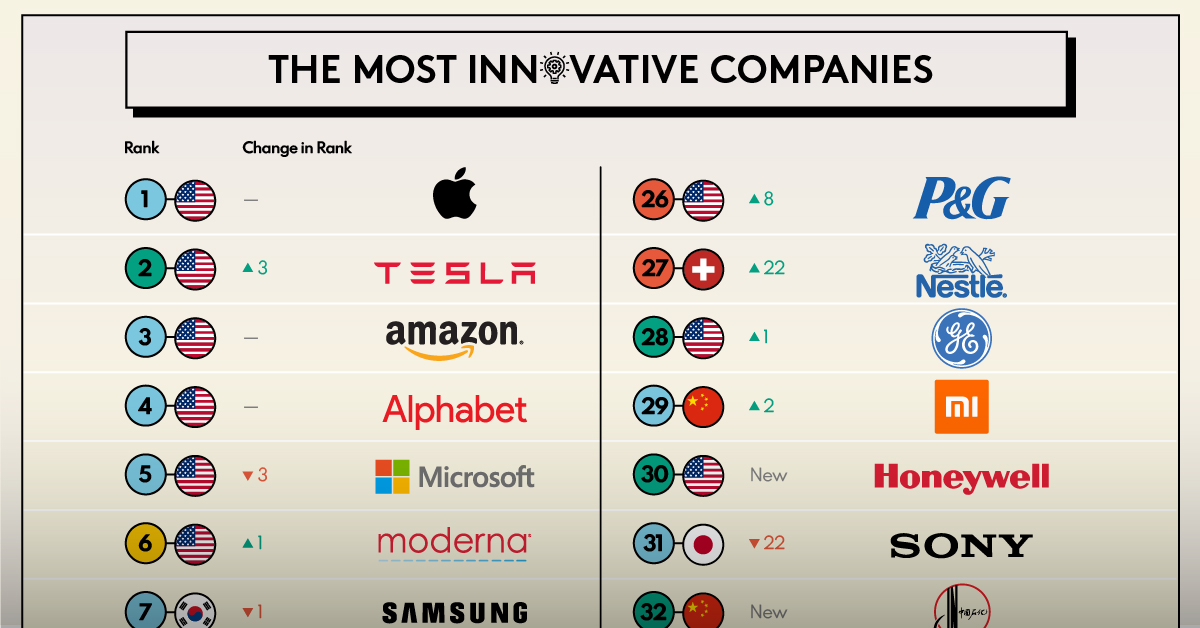
Companies that consistently innovate are the ones that stay ahead of the competition.

In today’s fast-paced business environment, innovation isn’t just a buzzword, it’s a necessity.
Companies that consistently innovate are the ones that stay ahead of the competition, but fostering innovation is no easy task.
It requires more than just occasional brainstorming sessions; it requires a structured approach that encourages creativity and out-of-the-box thinking across all levels of your organization.
One of the most effective ways to cultivate this mindset is by integrating design thinking into your innovation processes.
What is Design Thinking?
Design thinking is a human-centered approach to problem-solving that emphasizes empathy, experimentation, and iteration.
It’s about understanding the needs of your users, challenging assumptions, and redefining problems in an attempt to identify alternative strategies and solutions that might not be immediately apparent.
At its core, design thinking is iterative, focusing on learning and adapting through continuous testing and feedback.

The Synergy Between Design Thinking and Innovation
Innovation thrives when teams are encouraged to explore new ideas, question the status quo, and collaborate across disciplines.
Design thinking provides the framework to make this happen.
By fostering an environment where empathy and creativity are at the forefront, design thinking helps teams not only generate innovative ideas but also refine and implement them effectively.

Strategies for Integrating Design Thinking into Innovation Processes
1. Empathy First: Understand Your Users
Start by deeply understanding the needs and challenges of your end-users. Use tools like interviews, surveys, and observation to gather insights. The goal is to see the world through the eyes of your users, which will inform every decision you make throughout the innovation process.
2. Encourage Collaboration Across Departments
Innovation doesn’t happen in silos. Encourage cross-functional collaboration where diverse perspectives can come together. Design thinking thrives on the variety of insights, and by involving different departments, you can ensure that all angles of a problem are explored.
3. Create a Safe Space for Experimentation
Innovation requires risk-taking, and teams need to feel safe to propose and experiment with new ideas. Foster a culture where failure is seen as a learning opportunity rather than a setback. This can be achieved by encouraging small-scale experiments and iterative testing.
4. Implement Rapid Prototyping
One of the key principles of design thinking is the idea of “learning by doing.” Encourage your team to create rapid prototypes of their ideas. These don’t have to be polished or perfect; the goal is to test the viability of an idea quickly and gather feedback that will inform future iterations.
5. Iterate Based on Feedback
The design thinking process is cyclical, not linear. After creating a prototype, gather feedback from users and stakeholders, then use that feedback to refine your idea. This iterative process ensures that the final product or solution is as effective as possible.
6. Integrate Storytelling in Your Process
Storytelling is a powerful tool in design thinking. Encourage your team to present their ideas and solutions through compelling narratives that resonate with stakeholders. This helps in communicating the value of the innovation and securing buy-in from decision-makers.
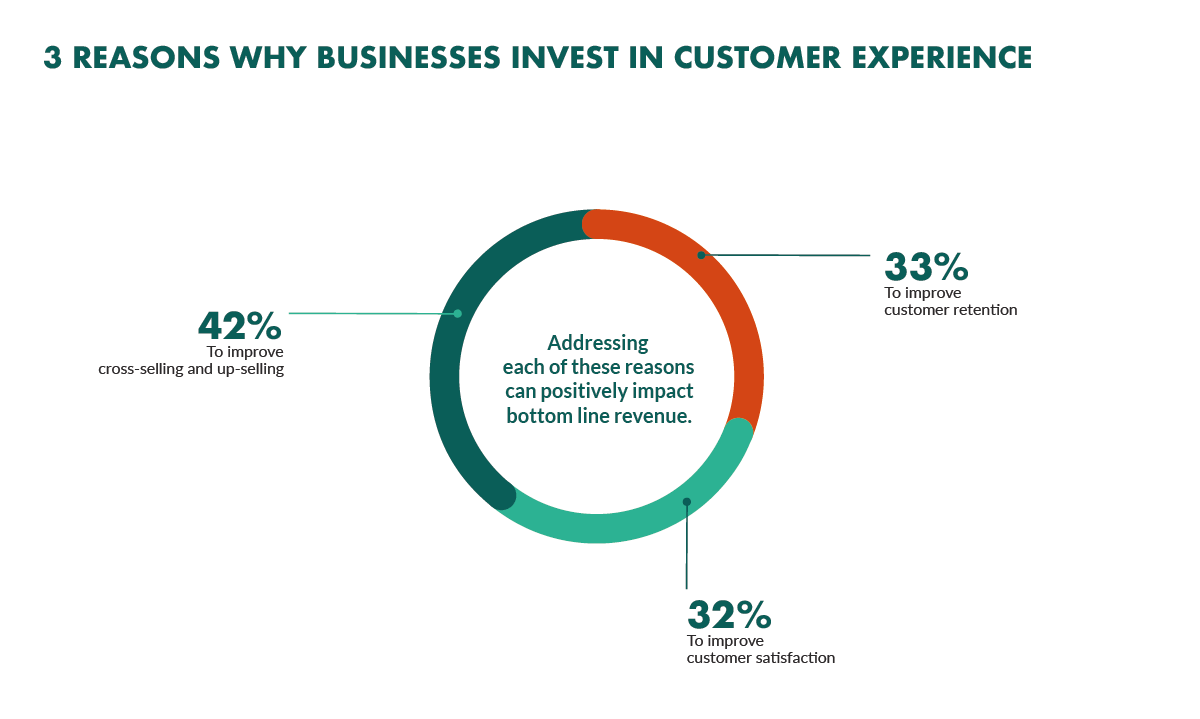
7. Focus on the Experience, Not Just the Product
Design thinking is about more than just creating a product; it’s about designing an experience. Encourage your team to think about the entire user journey and how every touchpoint can be optimized for a better experience. This holistic approach often leads to more innovative solutions.
Conclusion
Integrating design thinking into your innovation processes can be a game-changer for your organization.
By putting empathy, collaboration, and experimentation at the center of your strategy, you can unlock new levels of creativity within your team.
Remember, innovation isn’t just about coming up with the next big idea—it’s about consistently fostering an environment where creativity can thrive and where out-of-the-box solutions are not only encouraged but are the norm.
Start incorporating these strategies today, and watch as your team begins to approach challenges with fresh perspectives, ultimately driving your company toward greater innovation and success.


